Astronomy and space exploration have always been an enigma. For thousands of years, human beings have attempted to understand the vast and diverse field, which was always characterized by studies and speculative theories. In the 50s and 60s, the United States was involved in a Cold War race with the then Soviet Union that saw the presidents of the two superpower countries involved in a bitter ideologies battle.
Facts
The Journey to the Surface of the Moon
Saturday, February 20, 2016 10:34:59 AM America/New_York
The Wonder that is the Halley’s Comet
Tuesday, February 16, 2016 9:40:12 AM America/New_York
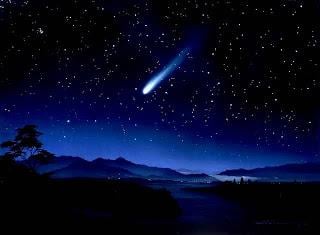
While astronomy remains an area of study best left to lovers of astronomy and professional astronomers, every so often, a phenomenal and fascinating astrological event such as the appearance of the Halley’s Comet, manages to unite novices and experts alike in a sense of wonder and amazement. Discovered by Edmond Halley, the infamous comet is observable from earth every 75 years. Unlike most other comets that appear after long periods, some only becoming visible after hundreds or thousands of years, the Halley’s Comet is categorized as a periodical comet, which means its orbit occurs after less than 200 years. As such, those lucky to be alive in 2062 will get the opportunity to observe the once in a lifetime sighting of the astrological phenomenon. Sightings of the comet can be traced back to ancient times, where astronomers and spiritual leaders often associated its appearance in the earth’s vicinity with dreadful and sometimes a few positive omens.
A fascinating celestial phenomenon
Sunday, January 31, 2016 1:09:27 AM America/New_York
Sky watchers across the world are in for a rare celestial treat. Starting January 20 this year and all through to February 20, five naked-eye planets: Mercury, Venus, Saturn, Mars and Jupiter will align once again. This alignment is made complete when the elusive Mercury (the ‘wandering star’) makes its appearance in the sky. The last time this happened was in 2005. For those who want to see the wonderful sight, the best time to look up at the sky is pre-dawn that is, an hour or so before sunrise. It will help to look for Venus first, as it is the brightest planet, and will help trace the diagonal row of all the five planets. Astronomers say that the best time to see this alignment from both Northern and Southern Hemispheres, will be sometime in the first week of February. As Mercury gets a little away from the Sun, we will get a clearer look at it.
The Aurora of the North and South
Thursday, January 28, 2016 8:23:56 AM America/New_York
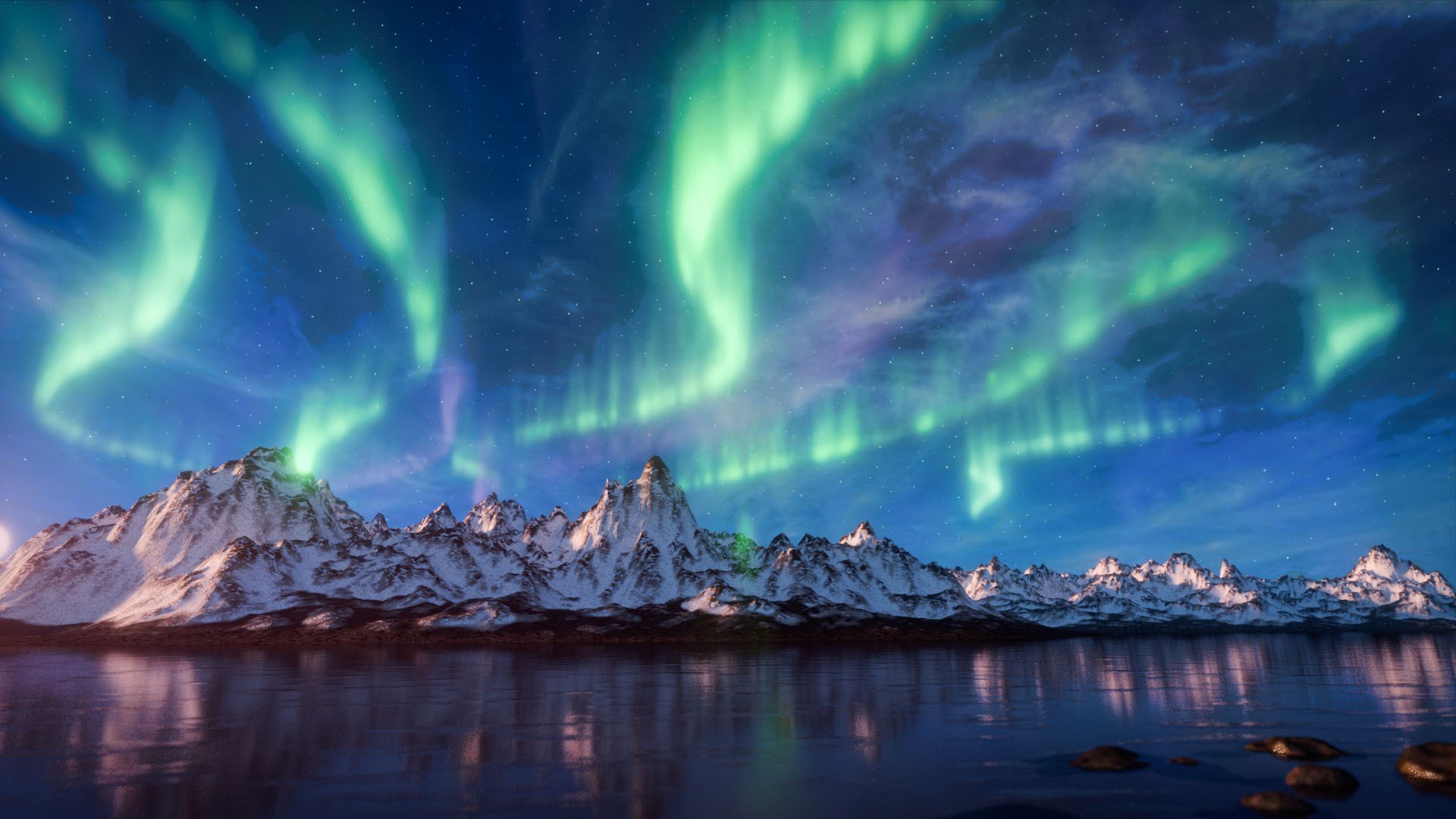
In a truly mesmerizing occurrence, sometimes bright, beautiful, colored lights can be observed in the evening sky. Widely known as the Nothern lights or sometimes the Aurora borealis for the North and Aurora Australis for the South, the shimmering magical lights are more prevalent in the areas of the magnetic pole, which regions are mainly found in both the northern and southern hemispheres. The transient display appears in numerous random colors, with shades of green and pink being the most rampant. The impact of our sun on this planet is remarkable. It comes as no surprise therefore that it would produce such an effect on the atmosphere. When gaseous particles found in the earth’s atmosphere collide with charged particles released from the sun’s atmosphere, the effect results in the emission of variations of color caused by the collision of the gas particles. Oxygen molecules found close to the earth’s atmosphere produce the green color, while oxygen in higher altitude areas with heights of up to 300 miles produces a reddish aurora from the collision.
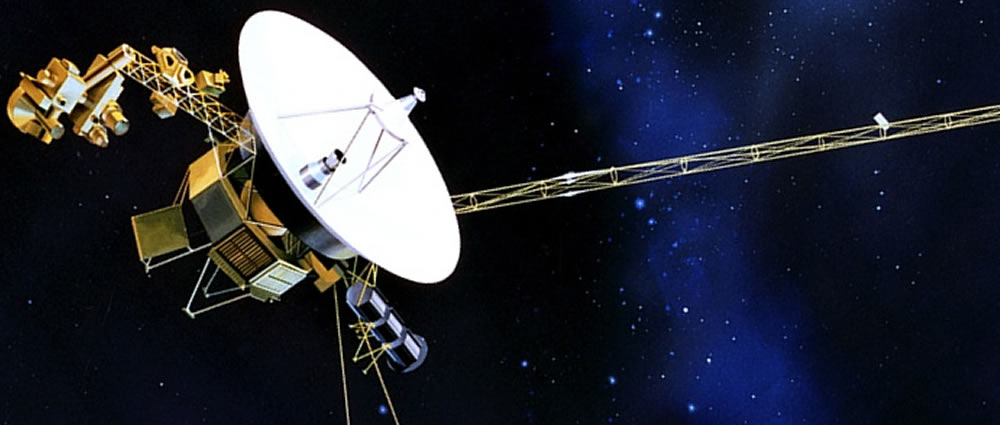
The Voyager 1: To infinity and Beyond?
Friday, January 22, 2016 1:11:21 PM America/New_York
In the 1970s, space exploration was a fairly new field of study that fascinated space enthusiasts and astronauts alike based on the infinite possibilities that lied ahead. Was there extraterrestrial life? Were other planets habitable? Can human beings travel to space and back safely? These were some of the questions regular people asked. Amidst the Saturday Night Fever that enveloped very corner of the globe, NASA launched two spacecrafts, Voyager 1 and 2, with the aim of exploring the elusive and fascinating solar system. Voyager 1’s principal mission was to collect adequate information on planets Jupiter and Saturn, going in as far as weather conditions, moons, and information on magnetic fields that might surround the planets which are concerned. Additionally, the Voyager was to offer insight into planet Saturn’s largest moon, Titan. It did so quite beautifully gettting as close as 4,000 miles to the surface of the moon. Voyager 1 successfully managed to supply diverse images of the two planets, while making intriguing discoveries of new moons, volcanic and planetary activity that was quite impossible before its launch.
Amazing places to Stargaze - part 2
Thursday, January 21, 2016 11:35:59 AM America/New_York
In the previous blog, we covered some of the best places on Earth for stargazing. Mentioned here is the part 2, which has few more exotic locations, which you can visit for an overall humbling experience through looking at the wonderful stars. 12. Caldera de Taburiente National Park, Canary Islands, Spain This park has a 7,800ft high rocky mound called Roque de los Muchachos, which is above the temperature inversion layer of atmosphere - a layer above which air gets stable - thus keeping the moisture low and the atmosphere free of star-distorting turbulence. No wonder, it is home to numerous observatories. 13. SAAO, Cape Town, South Africa SAAO presents exciting opportunity for the visitors to enjoy open nights throughout the year where visitors are also taken on tours by scientist and guides, giving information about space, interesting facts and stories about universe, telescopes etc. The well-known crux constellation can also be observed from here. Read more to see other places for star gazing.
Amazing places to Stargaze - part 1
Monday, January 18, 2016 8:22:12 AM America/New_York
Star gazing is undoubtedly one of the most profound activities to do in your lifetime. Wether you do it alone or with someone you love, looking at the dark canvas with thousands of sparkling diamonds on it certainly lends you a lot of perspective toward life. While there is a whole universe out there to embrace you in a lifetime of cosmic explorations and surprises, mentioned here are some of the places where you can witness the stars in their absolute beauty, without any hindrance. 1.Atacama Desert, Chile Northern Chile desert, with practically no rainfall, zero light pollution and clear skies have been one of the most sought after locations in the world for stargazing. With the opportunity to camp under the spectacular view of the bright stars and also visit astronomical observation sites like the Paranal Observatory—home to one of the largest telescopes in the world, this has been on top of the bucket list for many stargazing enthusiasts. Read more to see other amazing places for stargazing.
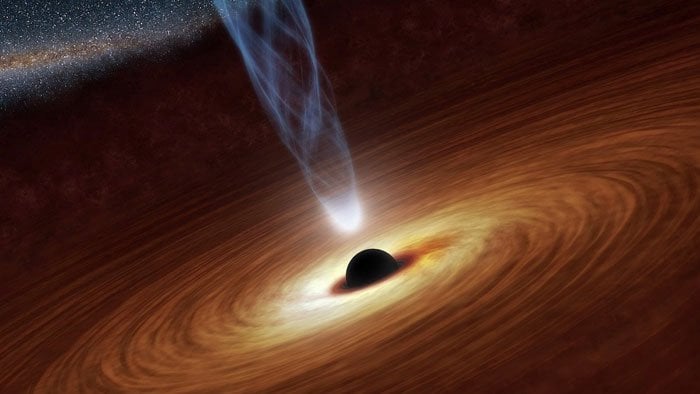
Understanding Black Holes
Saturday, January 16, 2016 12:27:15 AM America/New_York
You would have most recently seen and heard of black hole in Christopher Nolan’s hit movie Interstellar, and felt like a nasty bouncer above the head? Well, there is a simple explanation to what black holes are and how do they exist. Imagine a massive celestial object in space, so densely packed with matter that nothing can ever escape it, not even light- that’s what black holes are. They are formed by large stars- stars that are way larger in size (20 times or more) than the sun. When such massive stars run out of fuel in its course, it can no longer sustain its heavy weight. They rapidly collapse causing colossal of explosions called supernova. The dense core of the star continues to remain bound together by the force of gravity and pressures from the star’s outer layers continue to collapse inwards because of its weight. These particles continue to be squashed together and the star becomes smaller and smaller until all that is left is a black hole.